
Electrical Fault Finding in Mosman & Sydney’s Lower North Shore
Electrical faults don't fix themselves. If your safety switch keeps tripping, you've lost power to part of your home, or you're noticing flickering lights or burning smells, call Montgomery Electrical.
We diagnose and resolve electrical faults across Sydney's North Shore quickly and without unnecessary call-outs.
Common faults we find and fix
We diagnose and repair common electrical faults across Mosman and Sydney’s Lower North Shore, including tripping safety switches and circuit breakers, partial power loss, flickering or dead lights, burning smells from power points or switchboards, dead power points and deteriorated wiring in older homes. If something isn’t right, we can find it.
Why does my safety switch keep tripping?
A safety switch may keep tripping because of a faulty appliance, deteriorated wiring, moisture getting into a circuit or another electrical fault. Try unplugging appliances one at a time. If the safety switch continues to trip with nothing plugged in, stop resetting it and call us for professional fault finding.
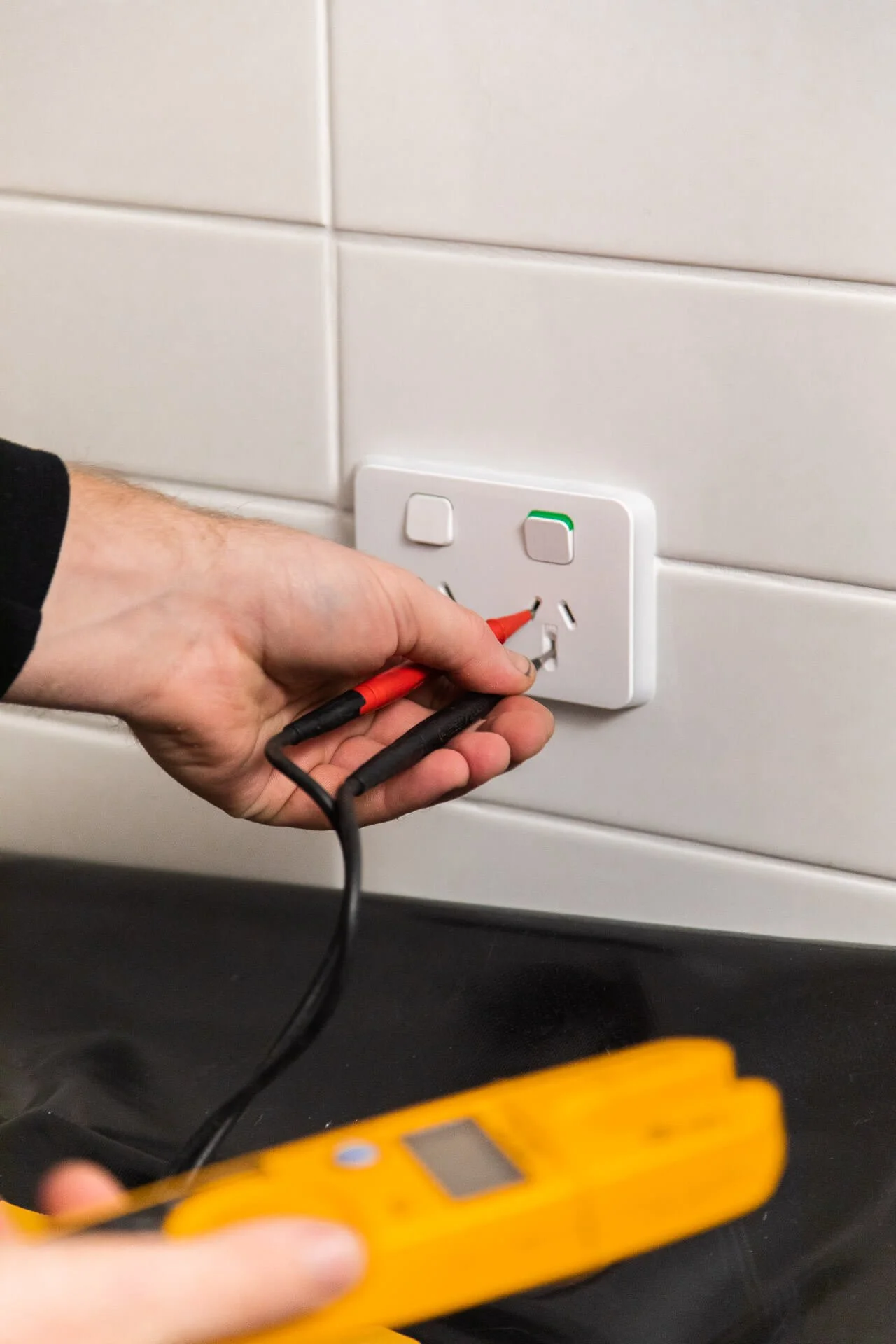
What causes electrical faults in homes?
Most residential faults come down to a handful of root causes. Loose or corroded connections are the most common, they develop over time as wiring ages or as connections work loose from vibration or heat cycles. Deteriorated insulation on older wiring is another frequent culprit, particularly in homes built before the 1980s.
Moisture getting into a circuit, overloaded circuits from adding too many appliances, and damaged or aging components in the switchboard round out the typical list.
In older homes especially, faults often aren't a single dramatic failure. They're the result of slow, cumulative deterioration that eventually crosses a threshold. That's why an intermittent fault that comes and goes can be harder to find than one that's present all the time.
How we work
We trace the fault back to its source, whether that's a faulty appliance, damaged wiring, a failed breaker, or a switchboard issue. Once we've found it, we explain it in plain language and provide a quote before we fix anything. If we can fix it in the same visit, we will. Most residential fault jobs are resolved on the day.
What you can safely check yourself?
If your safety switch has tripped, try resetting it once after unplugging all appliances on that circuit. If it holds, plug appliances back in one at a time to identify which one is causing the trip. Check that outdoor power points haven't had water exposure.
Beyond that, stop. Any investigation that involves opening switchboards, testing inside walls, or touching wiring needs a licensed electrician. It's not just best practice, it's the law in NSW.
What happens on the day?
We assess the symptoms, isolate the circuit, and work through the likely causes methodically. No guesswork, no inflated call-out fees.
You'll know what we found and what it costs before any work proceeds.
FAQs
How long does electrical fault finding take?
1
Most residential fault finding is completed within 1-2 hours. Complex faults involving in-wall wiring or multiple circuits may take longer.
2
Why does my safety switch keep tripping?
Common causes include a faulty appliance, deteriorated wiring, or moisture in a circuit. Try unplugging appliances one at a time. If it trips with nothing plugged in, call a licensed electrician.
Is a tripping safety switch dangerous?
3
The switch is doing its job by tripping. It's the underlying fault that needs attention. Don't keep resetting it without investigating the cause.
What causes electrical faults in older homes?
4
Older homes are more prone to faults due to deteriorating wiring insulation, loose or corroded connections, and switchboards that weren't designed to handle modern electrical loads. If your home is more than 30 years old and hasn't had a wiring inspection, it's worth booking a free safety audit.
Can you fix the fault on the same visit?
5
In most cases, yes. If the repair requires parts or a return visit, we'll be upfront about what's needed and when.