
Electrical Safety Checks & Safety Switches
Montgomery Electrical provides free electrical safety checks for homes across Mosman and Sydney’s Lower North Shore. We inspect your switchboard, safety switches, wiring, smoke alarms and power points to identify common electrical safety issues.
We’ll explain what we find in plain language and let you know if anything needs attention, with no obligation to proceed with any recommended work.
What the audit covers
Every audit covers switchboard condition and missing safety switches, smoke alarm testing and expiry date checks, visible wiring condition, and power outlet and light point integrity. You'll receive a written summary with any recommendations clearly explained.
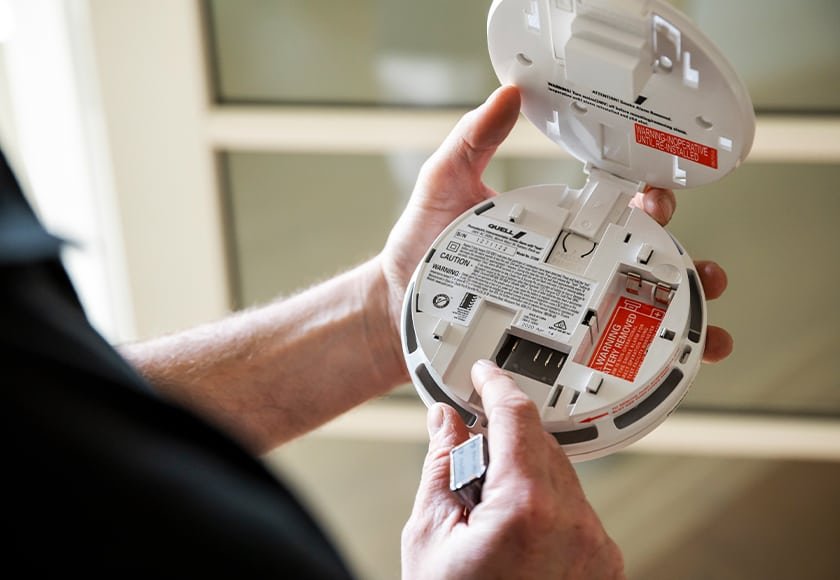
Smoke alarm compliance
NSW requires working smoke alarms on every level of a residential property.
We test each alarm, check manufacture dates, and flag any units that need replacing. A lot of homes have alarms that are technically still beeping but well past their 10-year lifespan.
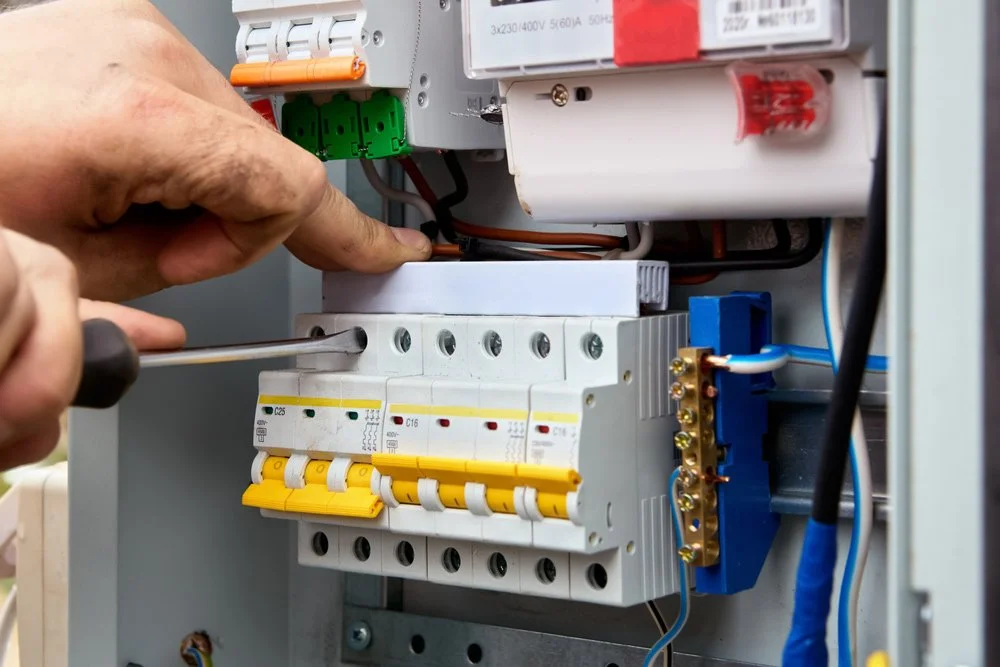
Switchboard assessment
We check for ceramic fuse holders, missing safety switches, signs of heat damage, and overloaded circuits.
If we find anything worth addressing, we explain it clearly and let you decide what to do next. No pressure either way.
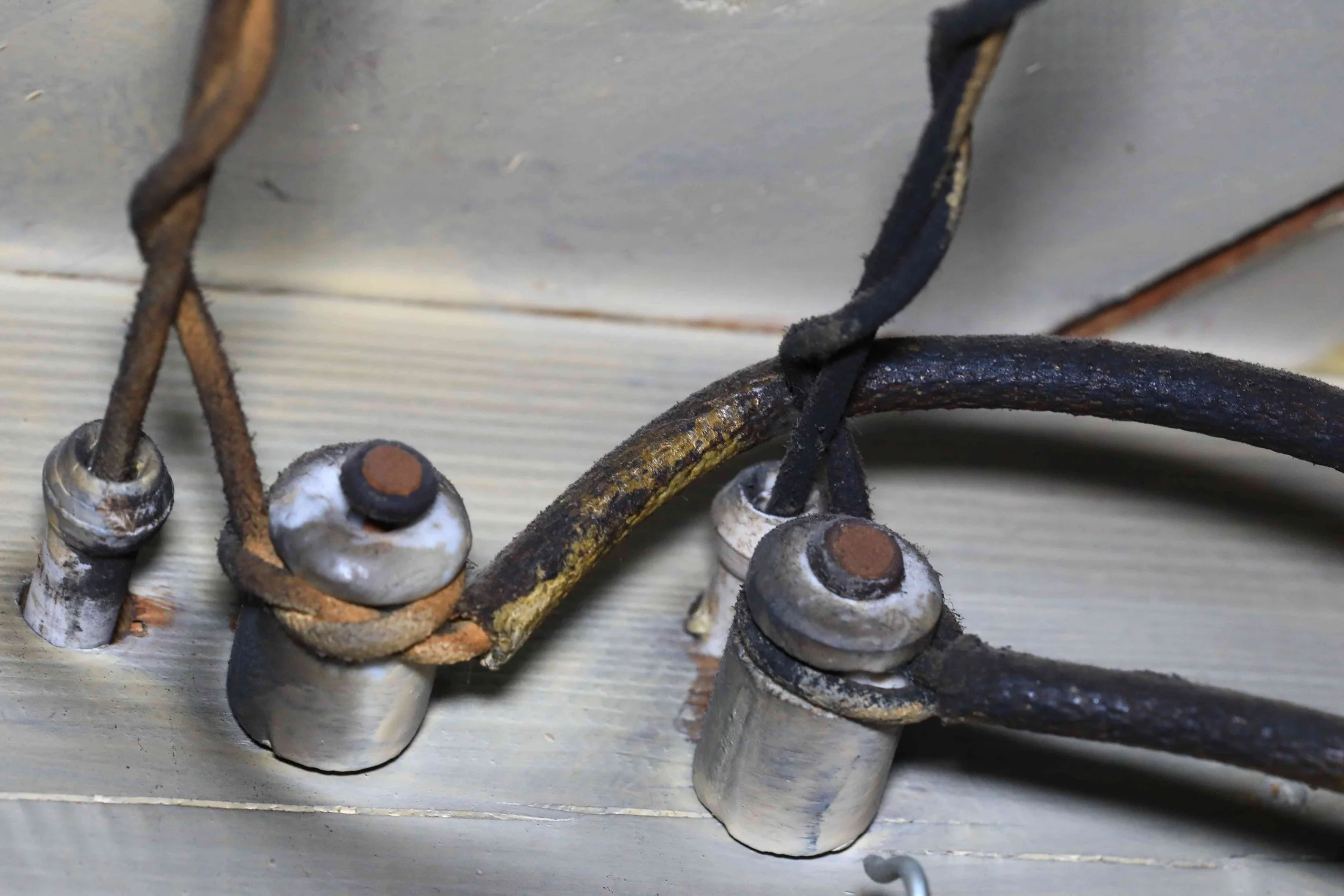
Wiring condition in older homes
Sydney's North Shore has a lot of pre-1980s homes where wiring is approaching or past its expected lifespan. Deteriorating insulation, aging connections, and wiring that was never designed for modern electrical loads are common findings.
We assess the visible wiring condition and flag anything that warrants further investigation.
When to book an inspection?
A safety audit is useful at any point, but there are specific situations where it's particularly worth arranging.
Before buying a property
A building inspection covers the structure. It rarely covers the electrical system in any detail. An electrical audit before you exchange contracts gives you a clear picture of what you're buying into, and useful negotiating information if issues are found.
After a renovation
Renovation work often involves changes to circuits, additional load on existing wiring, or work carried out by multiple tradespeople. An audit after the renovation is complete confirms the electrical system is safe and compliant with current NSW standards.
If you've noticed warning signs
Flickering lights, tripping safety switches, burning smells, warm power points, or sparking outlets are all reasons to get the system checked sooner rather than later. These symptoms rarely resolve on their own.
Completely free, no obligation
The audit costs nothing. If we find issues and you'd like us to fix them, we'll provide a transparent quote before any work begins. If everything checks out, you leave with peace of mind. That's worth the visit on its own.
FAQs
What does the free electrical safety audit include?
1
Switchboard condition, safety switch testing, smoke alarm inspection and expiry dates, and the condition of visible wiring, power outlets, and lighting points. You receive a written summary of findings with any recommendations.
How long does the audit take?
2
A typical residential audit takes 45-60 minutes depending on the size of the property. We'll confirm when booking.
Is there any obligation after the audit?
3
None at all. It's genuinely free. If we find issues and you'd like them fixed, we'll provide a quote. There's no pressure to proceed.
4
Should I get an electrical inspection before buying a house?
Yes, and it's one of the most overlooked pre-purchase checks. A standard building inspection rarely covers the electrical system in meaningful detail. An electrical audit before you exchange gives you clarity on the system's condition and any costs you might be taking on.
Common warning signs include flickering lights, safety switches that trip frequently, burning smells from outlets or the switchboard, warm power points, and visible wiring that looks cracked, discoloured, or deteriorated.
If your home is more than 30-40 years old and hasn't been inspected, it's worth booking an audit regardless of visible symptoms.
How do I know if my home's wiring is dangerous?
5
Every 5 years is a reasonable baseline for most homes. Older homes, recently purchased properties, and homes that have had renovation work are worth inspecting sooner.